Source warm kids wool felt insole for Sports, Casual, and Sandals
Find 30 listings for warm kids wool felt insole from verified suppliers. Compare features like material, size, and customization options to select the best fit for children's footwear needs; compare the available evidence and request quotations based on your requirements.
Key considerations
Products List
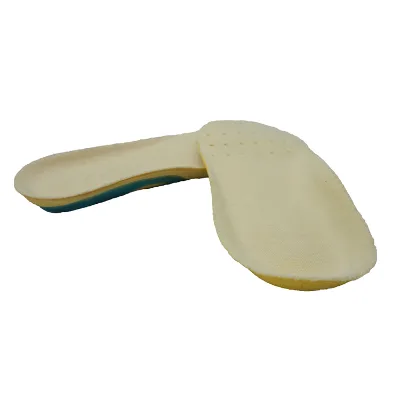
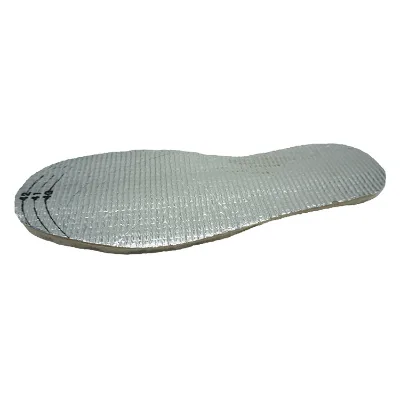
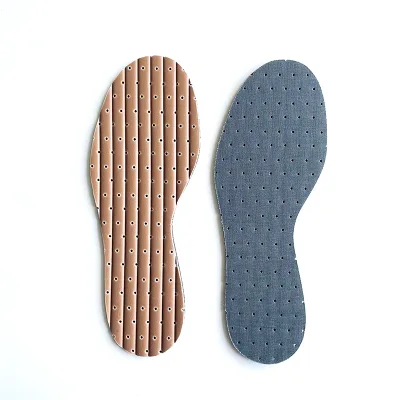


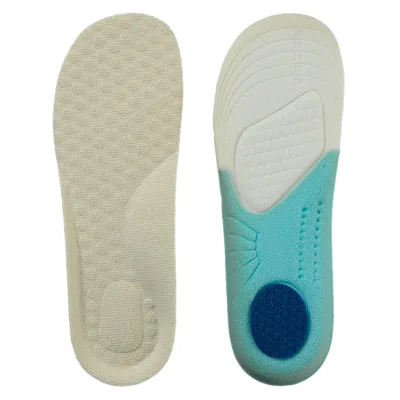
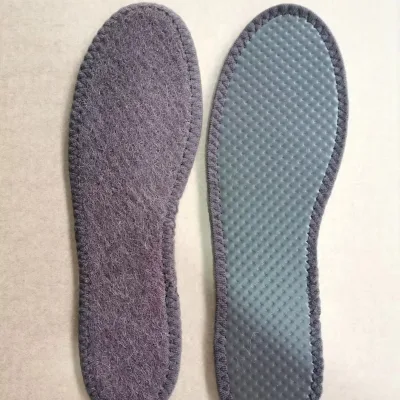
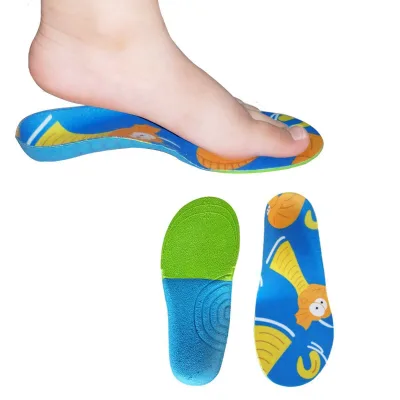
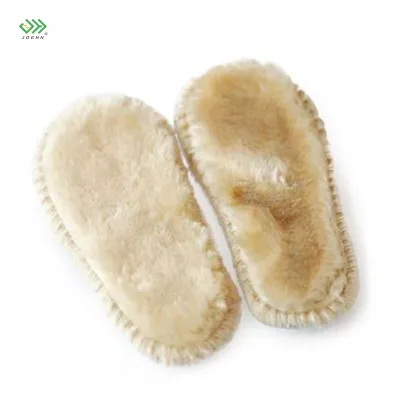
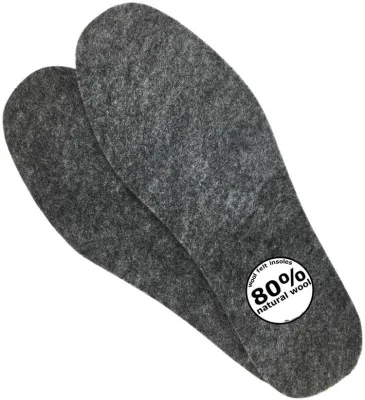
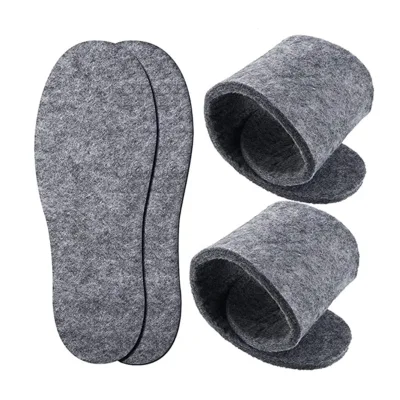


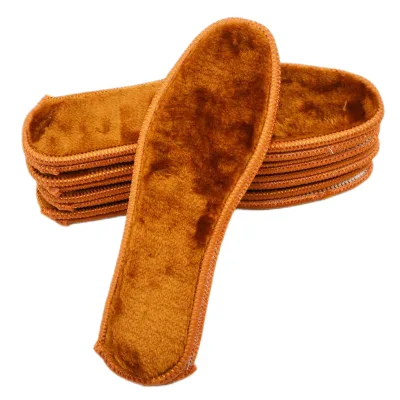
Comprehensive Sourcing Guide
Warm Kids Wool Felt Insole Sourcing Guide
Procuring warm kids wool felt insoles requires a careful balance between thermal performance, material safety, and commercial viability. The core keyword highlights a niche segment where natural fibers meet functional footwear accessories, demanding precise specification alignment. Buyers must navigate a landscape where "wool felt" is often blended with synthetic foams to enhance durability and shock absorption. This guide provides evidence-based procurement strategies, focusing on verified attributes such as material composition, origin, and minimum order quantities. It avoids speculative claims, relying instead on observed listing signals and standard industry practices to inform decision-making.
The sourcing process begins with understanding the specific thermal and structural needs of the target demographic. Children’s footwear requires insoles that are not only warm but also flexible and safe for growing feet. The observed market data indicates a wide range of product configurations, from pure wool blends to composite structures involving EVA or PE foam. This diversity necessitates a rigorous verification process to ensure that the final product meets both functional expectations and regulatory standards. By focusing on tangible specifications like size ranges and material layers, buyers can mitigate risks associated with inconsistent quality or misleading product descriptions.
Product Scope and Observed Listing Signals
The observed product landscape reveals a significant variation in material composition and intended use cases. Listings indicate that "wool felt" is frequently combined with other materials such as PE foam, EVA, or alumina to create composite insoles. For instance, some products specify a structure of wool felt plus PE foam and alumina, while others list EVA as the primary material. This suggests that the term "wool felt" may refer to a surface layer or a specific component rather than the entire insole. Buyers must scrutinize these details to ensure the product delivers the expected thermal insulation and comfort, as pure wool felt may lack the necessary structural support for active children.
Size ranges and gender specifications also vary considerably across listings. Observed data shows sizes ranging from 22-35 to 35-47, catering to different age groups within the pediatric demographic. While some products are explicitly labeled as "Kids Insole" or "Applicable User: Children," others are marked as "Unisex Shoe Insole" with broader size ranges. This ambiguity requires buyers to verify the exact fit for their target market. Additionally, features such as "flat feet insoles" or "sport insole" indicate specialized applications, suggesting that not all wool felt insoles are suitable for general casual wear. Understanding these distinctions is crucial for aligning product selection with specific customer needs.
Technical Specifications to Verify
Material composition is the most critical technical specification to verify when sourcing wool felt insoles. Buyers should confirm the exact percentage and type of wool used, as well as the nature of any synthetic blends. The observed listings mention materials like "WOOL FELT + FOAM" and "Wool felt+ PE foam+Alumina," indicating a trend toward composite structures. It is essential to determine whether the wool is natural, recycled, or treated with chemical agents for odor control or moisture wicking. Additionally, the density and thickness of the felt layer should be specified, as these factors directly influence thermal retention and cushioning performance.
Dimensional accuracy and packaging details are equally important for logistics and retail readiness. Observed data includes single package sizes such as 31X11X3 cm and gross weights of 0.1 kg, which provide baseline metrics for shipping calculations. However, buyers must verify if these dimensions apply to individual pairs or bulk packs. Size ranges like 27~37 or 22-35 must be cross-referenced with standard sizing charts for the target region. Furthermore, the elasticity of the material, noted as "Elastic" in some listings, affects fit and comfort. Confirming these technical parameters ensures that the product meets functional requirements and integrates smoothly into the supply chain.
Compliance and Safety Documentation
Safety standards for children’s products are stringent, requiring thorough documentation of material safety and chemical compliance. Buyers must verify that the wool felt and any synthetic components meet relevant regulations for flammability, heavy metals, and harmful substances. Although specific certification statuses are not provided in the observed data, it is standard practice to request test reports from accredited laboratories. These reports should confirm that the insoles are free from hazardous chemicals and meet the safety requirements for direct skin contact. This is particularly important for children’s products, where prolonged exposure increases the risk of adverse reactions.
Labeling and origin information are also key components of compliance. The observed listings indicate origins in Fujian and Zhejiang, China, which are major manufacturing hubs for footwear accessories. Buyers should ensure that all products are correctly labeled with material composition, care instructions, and country of origin. Additionally, any claims regarding "warmth" or "comfort" should be substantiated by technical data or testing results. Proper documentation not only ensures regulatory compliance but also builds trust with end consumers. Buyers should establish clear requirements for documentation before placing orders to avoid delays or rejections at customs.
Cost Drivers and Commercial Terms
The cost of wool felt insoles is influenced by material quality, production complexity, and order volume. Observed data shows a wide price range, from $0.35 to $5 per unit, reflecting differences in material composition and branding. Products with higher wool content or additional features like alumina layers may command higher prices. Minimum order quantities (MOQs) also vary, with observed values ranging from 1 to 5000 pairs. Higher MOQs typically result in lower unit costs, but buyers must balance this with inventory holding costs and market demand. Understanding these cost drivers helps in negotiating favorable terms and optimizing procurement budgets.
Payment terms and customization options further impact the commercial structure of the transaction. The observed listings mention payment terms such as T/T, which is common in international trade. Buyers should clarify the payment schedule, including deposit and balance percentages, to manage cash flow effectively. Additionally, the availability of OEM and ODM services allows for brand customization, which can add value but may increase costs. Logo placement, packaging design, and material specifications can all be tailored to meet specific brand requirements. Buyers should assess the cost-benefit of customization against the potential for market differentiation and brand loyalty.
Supplier Qualification and Quality Control
Supplier qualification is a critical step in ensuring consistent product quality and reliable delivery. Buyers should verify the supplier’s manufacturing capabilities, including their experience with wool felt and composite materials. The observed listings indicate that suppliers offer customization and OEM/ODM services, suggesting a level of flexibility and technical expertise. However, buyers must conduct due diligence to confirm the supplier’s ability to maintain quality standards across large production runs. This includes assessing their quality control processes, from raw material inspection to final product testing.
Quality control measures should be clearly defined and agreed upon before production begins. Buyers should specify acceptable tolerances for dimensions, weight, and material composition. Random sampling and third-party inspections can help verify that the delivered products meet these specifications. Additionally, buyers should establish a clear protocol for handling defects or non-conforming products. This includes defining acceptable quality limits (AQL) and outlining the steps for returns or replacements. By implementing robust quality control measures, buyers can minimize risks and ensure that the final products meet their expectations and customer demands.
Long-Term Procurement Checks
Long-term procurement success depends on continuous monitoring of supplier performance and market trends. Buyers should regularly review supplier metrics, including on-time delivery rates, product quality consistency, and responsiveness to issues. Establishing a scorecard system can help track these metrics and identify areas for improvement. Additionally, buyers should stay informed about changes in material costs, regulatory requirements, and consumer preferences. This proactive approach allows for timely adjustments to procurement strategies and helps maintain a competitive edge in the market.
Building a strong relationship with suppliers is also essential for long-term success. Open communication and collaborative problem-solving can lead to better product development and more favorable commercial terms. Buyers should engage in regular reviews with their suppliers to discuss performance, feedback, and future opportunities. This partnership approach fosters trust and encourages suppliers to prioritize the buyer’s needs. By focusing on long-term relationships and continuous improvement, buyers can secure a reliable supply of high-quality wool felt insoles and drive sustainable growth for their business.
FAQs
What materials are used for the warm kids wool felt insole?
The warm kids wool felt insole is constructed from wool felt combined with foam or PE foam and alumina. This material blend ensures effective heat retention while providing cushioning for children's feet during various activities throughout the year.
Which sizes are available for the warm kids wool felt insole?
Available sizes for the warm kids wool felt insole range from 22 to 47 depending on the specific model. Some models cover sizes 27 to 37 while others extend up to 47 to accommodate different age groups and foot sizes effectively.
Can I customize the warm kids wool felt insole with my logo?
Yes, customization is available for the warm kids wool felt insole including logo printing via laser or authorized methods. Buyers can request specific branding options as the supplier welcomes OEM and ODM requests for tailored product designs.
How does the warm kids wool felt insole handle different seasons?
The warm kids wool felt insole is designed for all seasons including spring, autumn, summer, and winter. Its wool felt composition provides necessary warmth in colder months while remaining breathable enough for use during warmer weather conditions.
What is the minimum order quantity for the warm kids wool felt insole?
The minimum order quantity for the warm kids wool felt insole varies between 500 and 1000 pairs depending on the specific product model. Buyers should verify the exact MOQ for their selected model before placing an order with the supplier.
Where are the warm kids wool felt insole products manufactured?
The warm kids wool felt insole products are manufactured in Fujian and Zhejiang provinces in China. These locations serve as the primary production hubs for these specific insole models ensuring consistent quality and supply chain efficiency for international buyers.
What payment terms are accepted for the warm kids wool felt insole?
The standard payment term accepted for the warm kids wool felt insole is T/T. Buyers should confirm specific payment schedules and conditions with the supplier to ensure smooth transaction processing for their bulk orders of these insoles.